
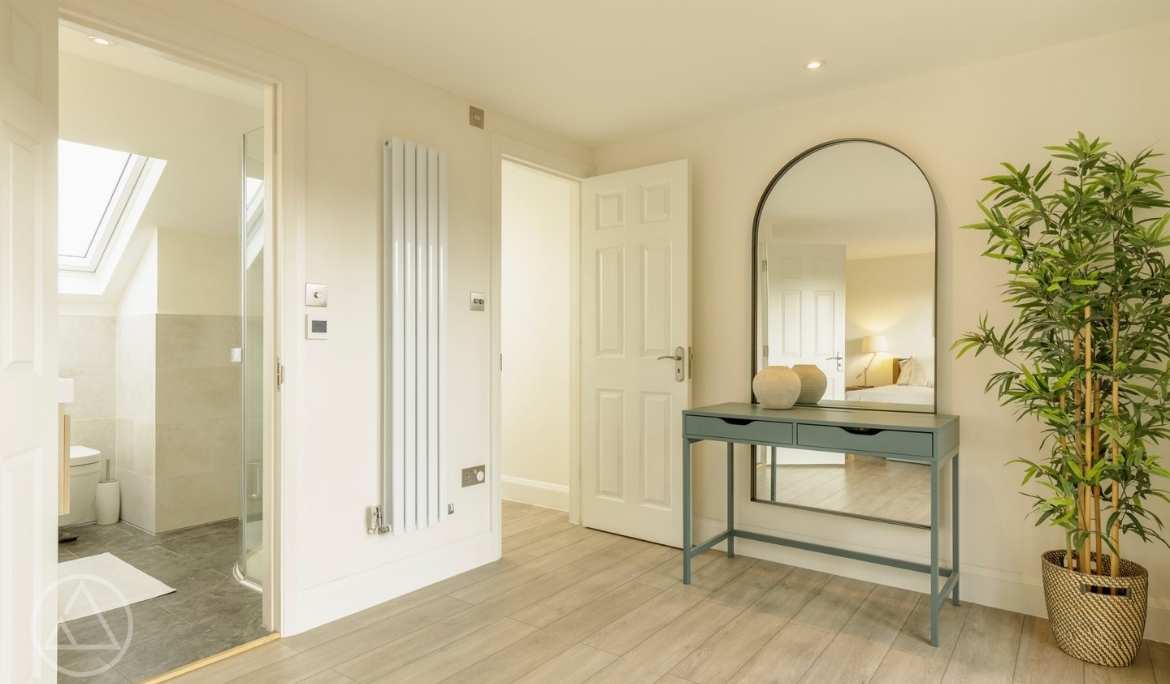
Loft conversions are a brilliant way to expand your living space and boost your home’s value. But when it comes to traditional vs modern loft conversion methods, the decision can feel overwhelming. Each method has its own strengths, timelines, costs, and design considerations.
This guide breaks down the key differences to help you choose the method that fits your home, budget, and lifestyle.
🔨 1. Construction Techniques
- ✔ Traditional Method:
Involves hand-built structures with timber framing, crafted on-site. It’s labour-intensive but known for its craftsmanship, durability, and timeless appeal. - ✔ Modern Method:
Uses prefabricated panels and modular components that are manufactured off-site and assembled quickly, reducing disruption to your household.
⏱ 2. Time & Efficiency
- ✔ Traditional Method:
Requires more time due to on-site construction, custom joinery, and design adaptation—ideal for those not in a rush. - ✔ Modern Method:
Fast turnaround with pre-engineered parts—some projects are completed within just a few weeks.
💰 3. Cost Considerations
- ✔ Traditional Method:
Typically more expensive due to skilled labour, longer build times, and high-quality raw materials. - ✔ Modern Method:
Often more cost-effective thanks to streamlined production, less manual labour, and reduced construction time.
🖼 4. Design Flexibility
- ✔ Traditional Method:
Offers extensive customisation—ideal for heritage properties or homes that require architectural sensitivity and bespoke finishes. - ✔ Modern Method:
Best for sleek, minimalist designs using materials like steel, glass, and polished concrete. Great for contemporary homes.
🌡 5. Insulation & Energy Efficiency
- ✔ Traditional Method:
Uses conventional insulation (like mineral wool or fiberglass), which may require careful installation to avoid energy loss. - ✔ Modern Method:
Designed with energy efficiency in mind, using high-performance insulation, airtight building techniques, and eco-friendly materials.
🏗 6. Structural Impact
- ✔ Traditional Method:
Usually requires reinforcing existing rafters and joists, increasing project complexity and build time. - ✔ Modern Method:
Utilises lightweight, engineered materials that reduce the need for major structural modifications.
🏡 7. Aesthetic Appeal
- ✔ Traditional Method:
Works beautifully with classic homes—think exposed beams, vintage flooring, and natural wood tones. - ✔ Modern Method:
Ideal for open-plan lofts, glass features, and minimalist interiors that prioritise space, light, and clean lines.
Final Thoughts: Classic Charm or Modern Edge?
The traditional vs modern loft conversion debate comes down to what matters most to you—timeless craftsmanship or cutting-edge convenience? If you’re drawn to character and detail, a traditional approach may be worth the extra time and cost. If speed, simplicity, and a modern aesthetic are priorities, a modular method could be your perfect match.
Ready to Plan Your Loft Conversion?
At Central Lofts & Extensions, we help homeowners find the right balance between tradition and innovation. Whether you lean classic or contemporary, we’ll guide you every step of the way—from concept to completion.
👉 Contact us at sales@centrallofts.blog to schedule your free consultation.