
Is Your Loft Conversion Legal? Understand Building Regulations Easily
A loft conversion can add space, style, and value to your home—but it must meet building regulations. Skipping these legal requirements can result in costly fines, safety risks, or even tearing down the project.
At Central Lofts & Extensions, we help homeowners get it right from day one. Here’s your easy-to-follow guide to loft conversion regulations.
📋 1. Do You Need Planning Permission?
In most cases, loft conversions fall under permitted development (PD), but you will need planning permission if:
- ✔ Your home is listed or in a conservation area
- ✔ You’re extending beyond the original roof height
- ✔ The design includes balconies, raised platforms, or verandas
- ✔ Your new space exceeds 40m² (terraced) or 50m² (semi-detached/detached)
✅ Tip: Always check with your Local Planning Authority (LPA) to confirm your rights.
🧱 2. Key Building Regulations You Must Follow
Even without planning permission, you’ll still need building regulations approval. These ensure structural and safety standards are met.
A. Structural Stability
- ✔ Have a structural engineer assess floor/wall load-bearing capacity.
- ✔ You may need steel RSJs or reinforcements for added support.
- ✔ The roof framework must handle new weight and layout.
B. Fire Safety Requirements
- ✔ Install a safe escape route—usually via a code-compliant staircase.
- ✔ Use FD30-rated fire doors leading to escape paths.
- ✔ Fit interlinked smoke alarms on all floors.
- ✔ Dormers must be constructed using fire-resistant materials.
C. Insulation & Ventilation
- ✔ Insulate floors, walls, and rafters to meet U-value targets.
- ✔ Prevent condensation with proper ventilation channels.
- ✔ Energy-efficient materials reduce your heating bills and environmental impact.
D. Stairs and Headroom
- ✔ Stairs must be at least 600mm wide.
- ✔ Step rise ≤ 220mm; tread depth ≥ 220mm.
- ✔ Maintain 2m head height at the stair centre.
- ✔ Space-saving stairs are allowed in limited areas—but must be regulation-approved.
E. Natural Light & Windows
- ✔ Include at least one escape window (min. 450mm x 450mm).
- ✔ Use Velux or Dormer windows for natural light.
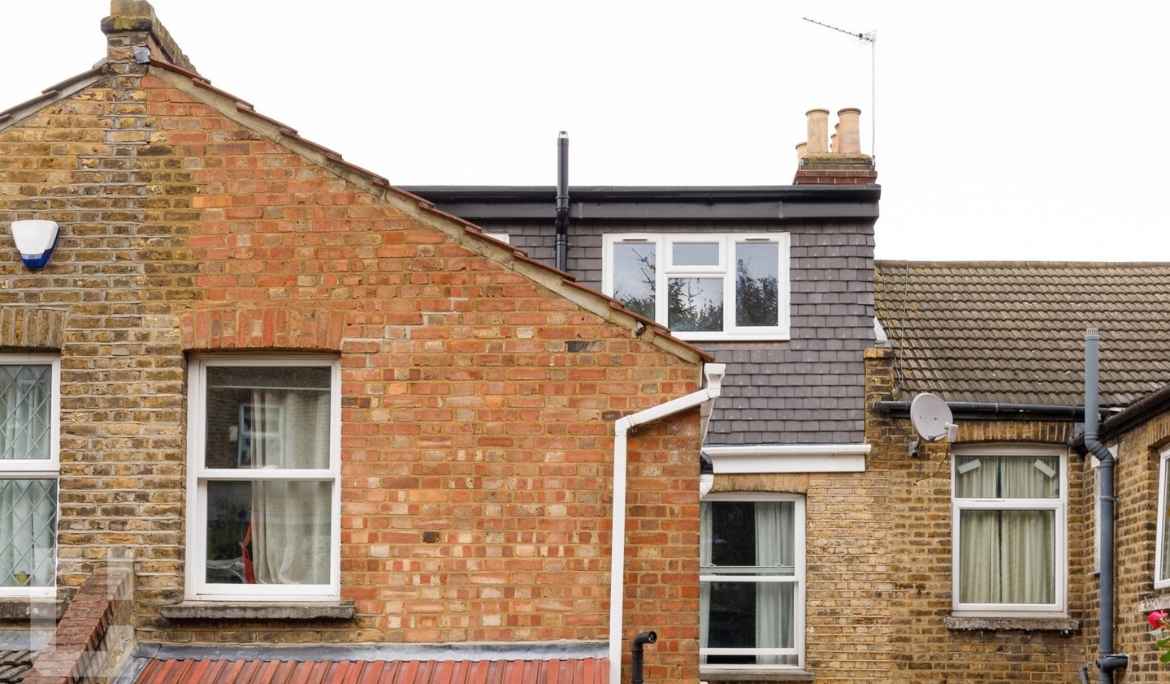
- ✔ Larger dormers may need planning approval, especially on front elevations.
🧱 3. Party Wall Agreement (If Needed)
If you live in a terraced or semi-detached home, your loft conversion might impact a shared party wall.
You’ll likely need a Party Wall Agreement if:
- ✔ Installing beams into a shared wall
- ✔ Working within 3 meters of your neighbour’s foundation
- ✔ Altering any adjoining structure
A written agreement protects both parties and is a legal requirement under the Party Wall Act 1996.
🛠️ 4. Building Control Inspections & Completion Certificate
- ✔ Notify your local Building Control team before work begins.
- ✔ Inspections will occur at multiple stages (e.g. fire, insulation, structure).
- ✔ A completion certificate is awarded after the final inspection—crucial when selling your home.
💡 Tip: Don’t skip this step—buyers and solicitors will ask for it during resale!
✅ Final Thoughts
Understanding loft conversion building regulations ensures your new space is safe, legal, and future-proof. While it might feel overwhelming at first, the process is simple when guided by professionals.
At Central Lofts & Extensions, we specialise in regulation-compliant loft conversions from start to finish. Whether it’s a cozy office, stylish guest suite, or full home extension—we handle all the planning, approvals, and execution.
📩 Have questions? Email us at sales@centrallofts.blog or explore more practical advice on CentralLofts.blog.