
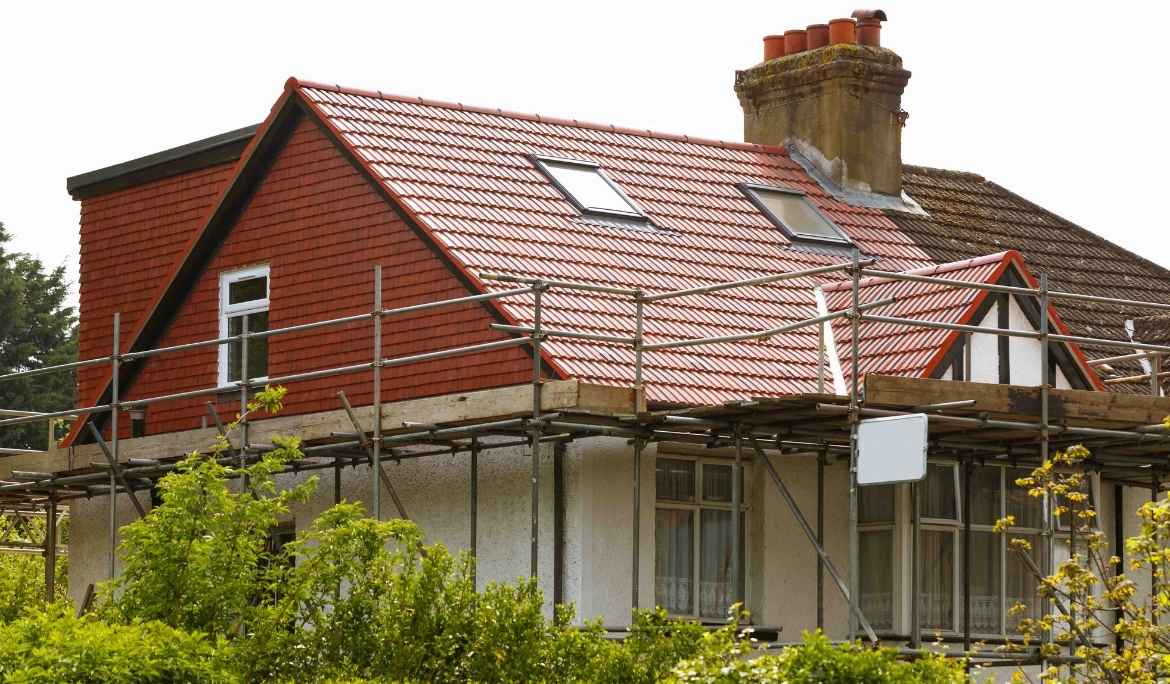
Eco-Friendly Loft Conversions: Sustainable Options for Your Home

A loft conversion is an excellent way to add space to your home, but have you considered making it eco-friendly? Sustainable loft conversions not only reduce your carbon footprint but also lower energy bills and create a healthier living environment.
Benefits of an Eco-Friendly Loft Conversion
Choosing sustainable materials and energy-efficient solutions can make your loft conversion more environmentally friendly. Benefits include improved insulation, reduced energy consumption, and a space designed with long-term sustainability in mind.
Using Sustainable Building Materials
Opting for eco-friendly materials is a great first step. Reclaimed wood, bamboo flooring, and recycled insulation materials help reduce waste and promote sustainability. Low-VOC (volatile organic compound) paints and finishes improve indoor air quality.
Maximising Natural Light
Natural light reduces the need for artificial lighting, saving energy. Installing large skylights or dormer windows allows sunlight to flood the space. Light-reflecting surfaces and strategically placed mirrors can enhance brightness.
Energy-Efficient Insulation
Proper insulation is key to an eco-friendly loft conversion. Sheep’s wool, recycled denim, and wood fibre insulation offer excellent thermal performance while being sustainable. Insulated walls, floors, and roofs help maintain a comfortable temperature year-round.
Renewable Energy Integration
Consider integrating renewable energy solutions such as solar panels or solar water heating systems. These options can provide power and heating for your new loft while reducing reliance on fossil fuels.
Water-Saving Features
If your loft conversion includes a bathroom, opt for water-saving fixtures like low-flow toilets, aerated taps, and energy-efficient showers. Installing a rainwater harvesting system can further reduce water waste.
Ventilation and Air Quality
Good ventilation is essential for a healthy loft space. Energy-efficient ventilation systems, such as heat recovery ventilators (HRVs), improve air quality while conserving energy. Green roofs or living walls can also enhance insulation and purify the air.
Sustainable Heating and Cooling
Lofts can become too hot in summer and too cold in winter. Underfloor heating, energy-efficient radiators, and smart thermostats can help regulate temperature efficiently. Installing blinds or shading systems prevents overheating in warmer months.
Why Choose an Eco-Friendly Loft Conversion Specialist?
Working with a loft conversion specialist like Central Lofts ensures that your project incorporates sustainable materials and energy-efficient designs. Their expertise can help you achieve an eco-friendly loft that meets building regulations and enhances your home’s value.
Final Thoughts
An eco-friendly loft conversion is a smart investment for both your home and the environment. By using sustainable materials, maximising energy efficiency, and incorporating renewable technologies, you can create a beautiful, functional space that benefits both you and the planet.
If you’re planning a loft conversion, visit www.centrallofts.uk for expert guidance on sustainable and eco-friendly loft design.